








Despite maintaining that the NAACP was unfairly targeted by the Internal Revenue Service in 2004, the civil rights organization’s former chairman now finds the IRS’s special scrutiny of Tea Party groups “entirely legitimate.”
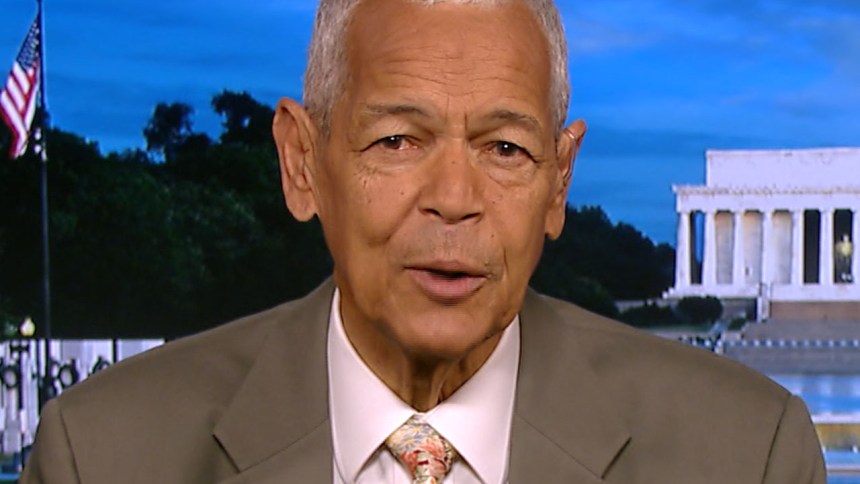
“I don’t think there are any parallels to what we’re seeing today,” said NAACP Chairman Emeritus Julian Bond on msnbc Tuesday. “Here are a group of people who are admittedly racist, who are overtly political, who’ve tried as best as they can to harm President Obama in every way they can,” Bond said of Tea Party loyalists.
“They are the Taliban wing of American politics, and we all ought to be a little worried about them,” he said.
Bond is no stranger to IRS controversies. In October of 2004, the NAACP was hit with an investigation into whether the civil rights organization qualified as tax-exempt—a status which allows its donors to claim contributions on their income tax returns. Under federal law, tax-exempt nonprofits are required to be politically nonpartisan.
In an audit notice released to the media at the time, the IRS informed the NAACP that the examination was based on remarks made by Bond, then the organization’s chairman, who criticized the Bush administration in a speech made to the group’s July convention.
“We have received information that during your 2004 convention in Philadelphia, your organization distributed statements in opposition of George W. Bush for the office of presidency,” wrote the IRS in its audit notice. “Specifically in a speech made by Chairman Julian Bond, Mr. Bond condemned the administration policies of George W. Bush on education, the economy and the war in Iraq.”
Auditors notified the group that it would be subject to a 10 percent tax for political expenditures as well as additional penalties.
The probe unleashed a firestorm among Democratic lawmakers, who contacted IRS then-Commissioner Mark Everson to remind him that charities had the right to discuss or oppose aspects of the president’s policies. New York Rep. Charlie Rangel even likened the audit to a police state tactic.
The investigation went on for nearly two years before the IRS concluded Bond’s remarks did not violate the group’s tax-exempt status.
While Everson insisted the agency’s examinations were based on tax law, not partisanship, Bond maintains that the investigation was a politically motivated assault meant to undermine the organization’s GOTV apparatus right before the election. “Of course we were unfairly targeted,” said Bond on msnbc Tuesday. “The letter the IRS sent to me–I was the chairman of the NAACP at the time–said I had criticized the president of the United States. And I’ve grown up thinking that was my right as an American citizen, that every American citizen had that right.” Despite feeling unfairly targeted by the IRS, however, Bond now feels little sympathy for Tea Party groups, which were among the conservative organizations singled out by the IRS for special scrutiny when they applied for nonprofit status. Asked by host Thomas Roberts whether it was “a little harsh” to compare the Tea Party to “the Taliban wing of American politics,” Bond stuck by his original claim. “The truth may hurt, but it’s the truth,” he said.
Emma Margolin
Emma Margolin is a reporter at MSNBC.com. Recommended


