Many couples who turn to In Vitro Fertilization (IVF) have already endured the emotional toll infertility can cause. Throw Covid-19 into the mix, and the obstacles to conceive grow even bigger.
Many fertility clinics completely closed for a period of time in the spring or halted new rounds of IVF altogether. Patients who were lucky enough to find their clinics open had to struggle with the decision to pursue medical treatment at a time when they were discouraged from even going to the grocery store. And if they decided to pursue treatment, patients were required to physically go through the process without their partners due to new safety guidelines.
“Infertility is time-sensitive, and prognosis worsens with age, so delays in treatment are especially stressful for infertility patients,” said Betsy Campbell, chief engagement officer of RESOLVE: The National Infertility Association.
During a typical year, over 75,000 babies are born in the United States each year as a result of assisted reproductive technology, which includes IVF.

When RESOLVE surveyed infertility patients across the country in April and May of this year, 79 percent of respondents agreed that fertility clinic closures would have a negative impact on them, while 58 percent said that their clinics did not provide them with mental health resources to cope with the changes.
Dr. Alice Domar, a chief psychologist at Boston IVF, saw an influx of patients looking for support. “I have never seen anything like this,” Domar said. “My patient load has doubled since March. Most infertility patients can handle infertility. But they can’t handle infertility plus Covid.”
While there are no national statistics readily available, even with all the delays and unknowns, fertility clinics on both sides of the country are not low on patients hoping to bring children into the world. Both Dr. Marcelle I. Cedars, director of the Division of Reproductive Endocrinology and Infertility at the University of California San Francisco and Dr. Michael Alper, medical director and president of Boston IVF, said their patient loads have either remained steady or increased.
Alper said, “I thought that patients’ economic and other concerns would deter them from undergoing treatment. In fact, it is the opposite. I now appreciate that couples focus on the ‘important things’ during times of stress and hardships. Having a family is a deeply emotional and very important goal for most people.”
Know Your Value recently spoke with three couples who have struggled with infertility and the additional hurdles they faced while undergoing IVF treatment during the Covid-19 pandemic. Here are their stories:
Katie: Continuing treatment alone
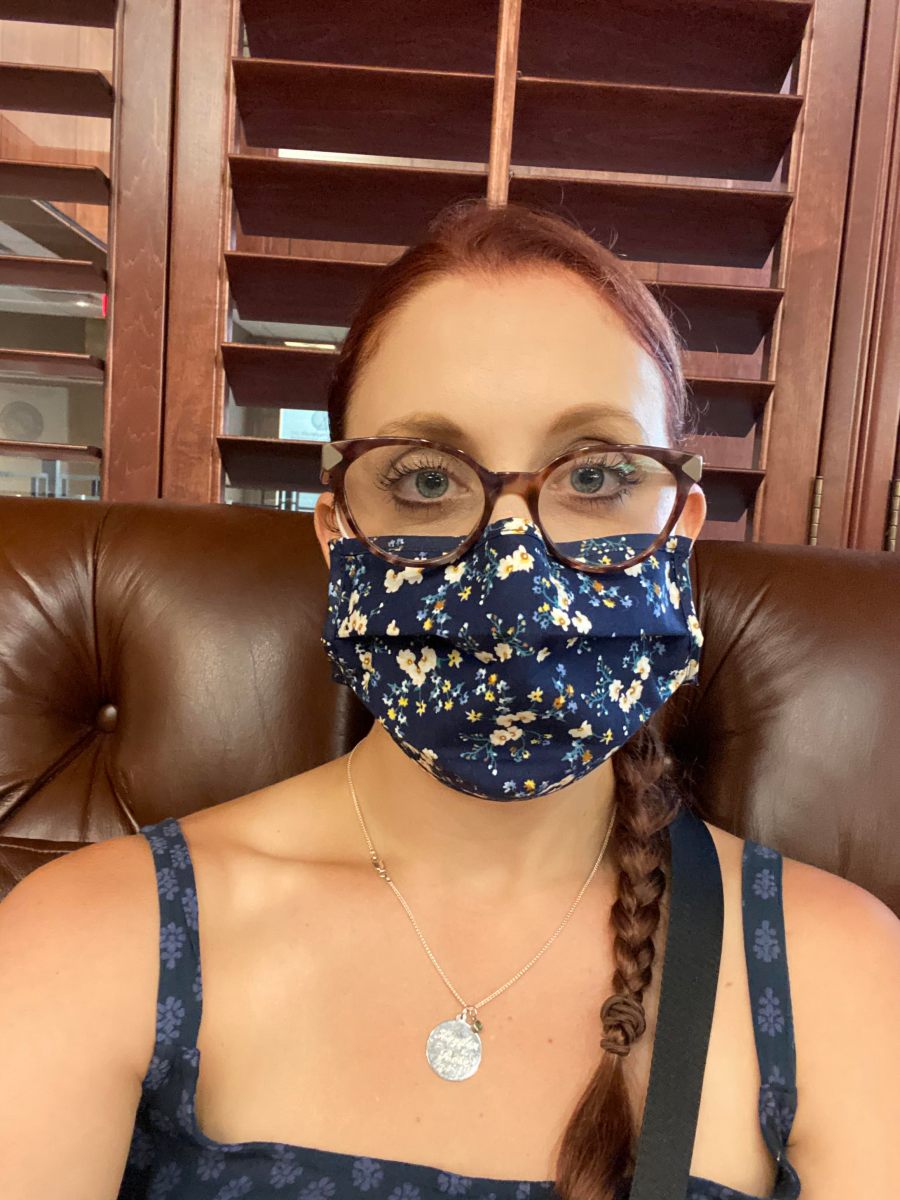
Katie Walker Heinin, 34, from Bridgewater, New Jersey described her first round of IVF as “the easiest thing ever.” The time from her first appointment at the fertility clinic to her successful embryo transfer was less than three months. As a result, she now has a 2-year-old daughter named Hayden. Know Your Value spoke with Heinin back in 2018 about how she balanced being a new mom with her job as a Radio City Rockette.
Last year, Heinin began her second round of IVF with the same expectations as the first. She became pregnant on her first attempt and returned to work for the “Radio City Christmas Spectacular” in September 2019. Unfortunately, she lost the baby early on. Heinin took four days off and returned right back to work, but her hormone levels continued to rise as if she were still pregnant. A medical procedure in January 2020 helped return her levels to normal so that she could attempt another round of fertility treatment.
Heinin knew that potentially beginning a pregnancy in the spring would render her unable to work the following Christmas season at a job that had provided the majority of her income. Though there isn’t a mandate against pregnant Rockettes—and in fact, many women have performed in the show while pregnant— starting a pregnancy in the spring would mean that Heinin would likely be due in the middle of her busiest season. “I wanted to work, but I wanted a family more,” Heinin said.
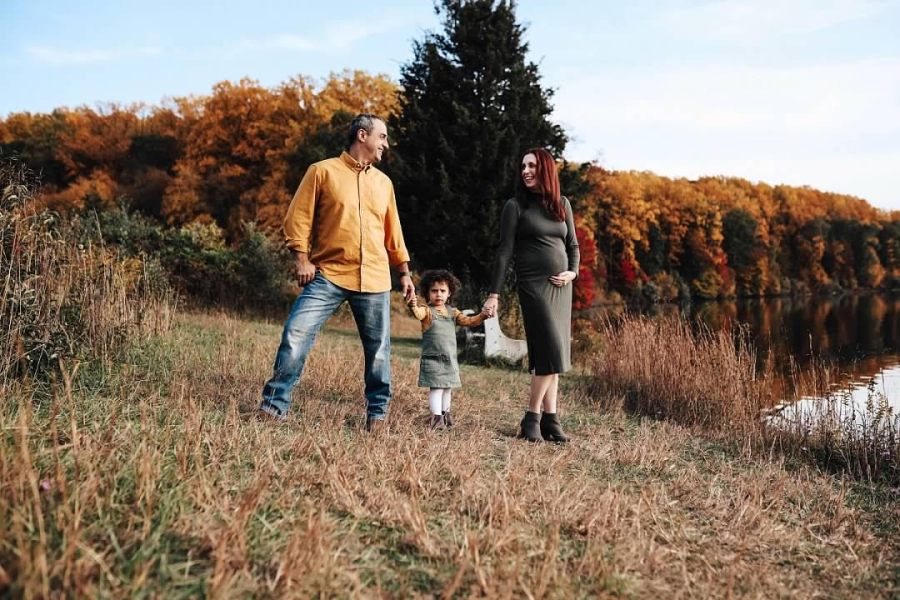
Heinin and her husband were together at the fertility clinic for their third embryo transfer on March 12, 2020. “Everything was still normal,” Heinin said. “My husband came, nobody wore masks, and we went out to dinner afterward, just like we had for our previous transfers. We knew there would be a change [because of Covid-19], but nothing had changed yet.”
The transfer was unsuccessful, and because they had used their last remaining embryo, Heinin began another egg retrieval cycle in mid-April at the height of the Covid-19 spring surge in New Jersey. Due to strict Covid-19 rules, her husband was not allowed to accompany her to blood draws, ultrasounds or the egg retrieval surgery itself.
“We were fully quarantining, and we trusted the clinic. It seemed like the cleanest place I would ever go. I was armed with Purell, a mask and my own pen so I didn’t have to touch anything,” Heinin said. “The procedure was exactly the same, but being alone was the hardest part.”
Heinin had her second egg retrieval on May 1, 2020; she sat in the car with Hayden while her husband went inside the building for his appointment, and then they swapped places. Heinin woke up alone after anesthesia to find out how many eggs were retrieved, and a nurse walked her back to the car.
After another failed transfer in June, Heinin underwent additional testing and finally had a successful transfer in July and is currently six months pregnant. In all, Heinin said she had appointments at the clinic at least once a week since September 2019—and sometimes up to three or four appointments a week.
Emotionally, it’s been difficult to go to all of her doctor’s appointments by herself. “My husband is working from home and taking weekly bump pictures, but it feels like it’s just my pregnancy—not from any lack on his part. That’s just the way it is.”
“I never thought about changing the course of treatment,” said Heinin. “We didn’t want to wait. If I didn’t have the loss last year I might have delayed, but having the loss made me realize how badly I wanted another baby.”
Katja: Struggling with fertility while working on the front lines
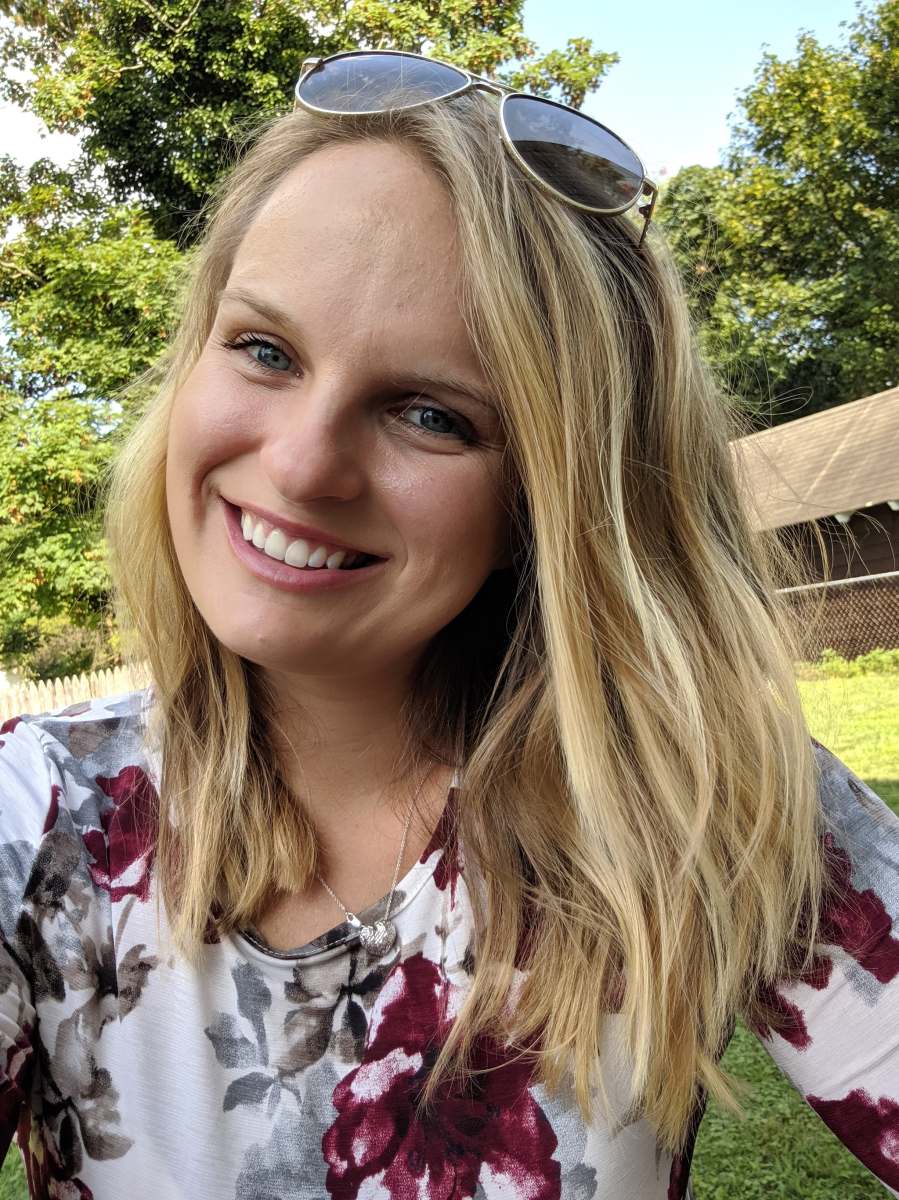
After struggling with multiple doctors to get to the bottom of her fertility issues, Katja Ayles was diagnosed in January 2020 with Polycystic Ovary Syndrome (PCOS), a condition that prevents ovaries from releasing eggs. After attempting less invasive measures, she and her husband were scheduled to begin an egg retrieval cycle in March 2020.
Ayles was supposed to begin medication while celebrating her 30th birthday in Las Vegas, but while there, casino televisions began broadcasting the shutdowns of major professional sports—and then the casinos themselves shut down. She began to worry about what such shutdowns would mean for herself and a future pregnancy when she got back home.
Because she would be returning to a hectic job as an emergency room nurse in New Jersey, Ayles struggled with the idea of continuing fertility treatments while returning to a busy hospital. She said, “I had my prescription with me to start taking it while I was there. And I was crying to my husband, like, ‘What if I go back to work and people are sick everywhere? Should we even do this?’”
Her medical background quickly made her realize that the pandemic would last longer than many people assumed. She said, “I think that reality kind of encouraged me to continue going with [treatments], because I really didn’t see an end in sight.”
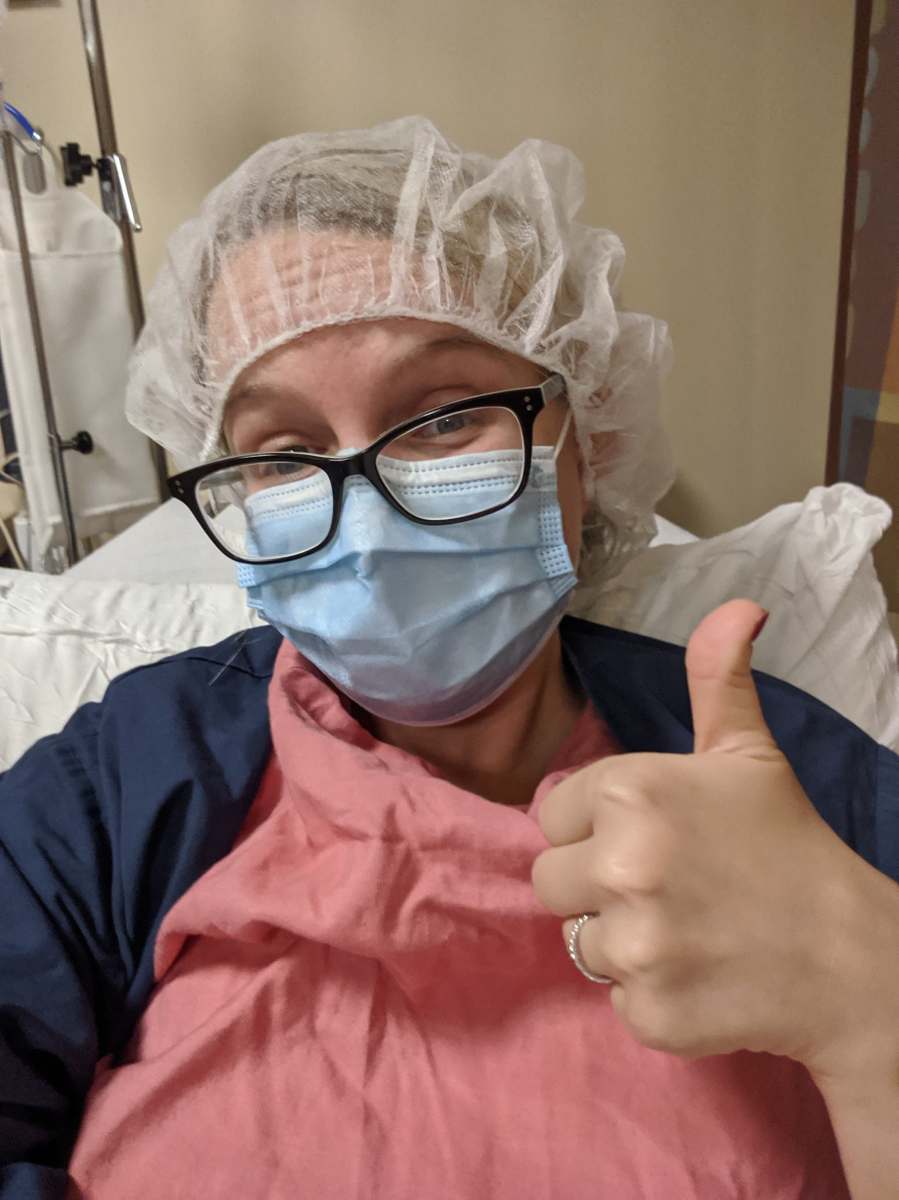
After egg retrievals in July and September and an embryo transfer in October, Ayles and her husband are officially 10 weeks pregnant, and they “graduated” from the fertility clinic. Ayles, a first-time mother, also had to go through the IVF process alone. To limit the risk of exposure, her husband was not allowed to attend appointments. So Ayles went to the many blood draws and ultrasounds alone—and she was sedated for the egg retrievals without her husband by her side. He wasn’t there when the embryo was successfully transferred to his wife, and he couldn’t hear the baby’s heartbeat for the first time. Ayles said, “For the transfer, I thought it was such a magical moment…and he couldn’t be there.” She joked, “I got pregnant while he was in the parking lot.” Still in her first trimester, Ayles cited being pregnant in a pandemic as being scarier than undergoing fertility treatments during it. She continues to work in the hospital but has moved to the maternity ward, partially to complement her ongoing professional studies in maternal health and partially to protect her baby as much as possible. But working in labor and delivery during a pandemic isn’t without its challenges. “It’s kind of hard to tell a laboring woman to put a mask on,” she admitted. Ayles continued, “I know I’m not the only person going through this who is on the front lines and wants to start a family….I felt like I was choosing between my job and my family. And then I realized that I could do both of them, but it’s going to be really stressful.” Aja Worthy Davis, 35, and her partner William C. Romney, 35, of Fort Greene, Brooklyn are both biologically women; because Romney identifies as male, Davis pursued artificial insemination in 2017 to help them start a family. Their first hurdle was finding sperm from a donor that the couple both agreed would fit their family in personality and background. It was a struggle for them to find sperm from African-American individuals like themselves, even at multiple sperm banks. Davis, who originally planned to carry the pregnancy using her own eggs, said, “I just loved this one donor. He reminded me so much personality-wise of William, he shared some of my background…It just felt like this is somebody who we could do this with.” After several failed attempts at Intrauterine Insemination (IUI) due to low ovarian reserve, the couple moved from IUI to IVF in February 2020. They were only able to create one embryo, which was not implanted successfully. Davis, who felt strongly that IVF would work, was crushed. Immediately after the failed cycle, the impact of Covid-19 began to affect their professional and personal lives. Davis, a government communications professional, said, “I knew that whatever was coming down the pike—in terms of work and life—for next few weeks is going to be crazy. So yeah, I wouldn’t necessarily say hopping back into the stirrups was my first priority.” Because non-essential medical procedures were temporarily halted, the couple couldn’t immediately pursue another round of IVF. “It was actually fortuitous, I think to a certain degree, because I wasn’t in a mental space to restart it anyway,” said Davis. And Romney wondered, “Is this the right time to be doing this as a non-traditional family?” They had also used up their stock from this particular donor. Davis eventually found a family—two women—in Kansas who had used the same donor to start their family and had unused vials of sperm. Davis facilitated the transfer of sperm from Kansas to New York. “Part of me is thinking, ‘if this is successful at any point, at least now we have brothers and sisters, these kids can like connect to in Kansas’,” Romney recounted thinking. Because Davis found it “difficult for me emotionally to continue,” Romney started accompanying Davis to all of her appointments as the fertility clinic slowly began to reopen. The couple said it came up “organically” that it might be possible for Romney—rather than Davis—to carry a pregnancy. After testing, their doctor agreed that of the two, Romney had the best shot at a successful IVF experience. Covid-19 also impacted the change: “The current backdrop of society also helps support what I’m going to do. As a trans guy, [being pregnant] is not going to be fun because I still have to go outside and still have to work.” Now that Romney’s teaching job will be remote through next fall and the couple’s insurance will remain steady, Romney has the ability to stay home if he feels awkward walking around Brooklyn in his second and third trimesters. Regardless of any discomfort or awkwardness, the couple is committed to the process. Romney said, “My primary reason for offering to carry is that I love my wife, I love my family and we want to grow it.”
Rosie Colosi, TODAY
Rosie Colosi is a reporter for TODAY Parents. Recommended


Aja & William: Changing perspectives on carrying a child