








Ordinarily, the efficacy of a vaccine and a drop in cancer rates wouldn’t be part of a political discussion, but HPV has always been a little different.
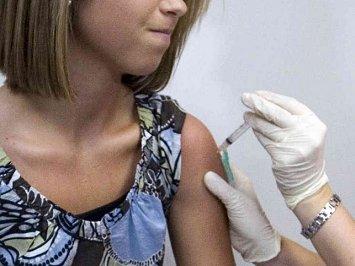
Infections with the human papillomavirus tied to cervical cancer fell by more than half in U.S. teen girls after the HPV vaccine was introduced in 2006, despite high-profile controversy — and low rates of uptake, a new study shows.
Government health officials said Wednesday that the new data should encourage wider acceptance of the vaccine, which became a lightning rod for political controversy almost from the moment it was implemented.
For those looking for a refresher, the human papillomavirus increases a woman’s chances of developing cervical cancer. For several years, there’s been an FDA-approved vaccine available that immunizes against HPV infection, but as the Republican Party has become more radicalized, the vaccine has been caught up in a culture war — many conservatives believe the vaccine encourages minors to have sex, and if they do have sex, they apparently should be punished with cancer.
The politics surrounding the HPV vaccine took a turn towards the ridiculous in 2011, when Rep. Michele Bachmann (R-Minn.), at the time an almost-credible presidential candidate, went after Texas Gov. Rick Perry (R) for giving the vaccine to girls in his state. The right-wing lawmaker claimed that the HPV vaccine can lead to mental retardation — a claim with no foundation in reality — and Perry ended up apologizing for one of his only progressive acts in office.
It became a hot-button issue again last year when South Carolina Gov. Nikki Haley (R) vetoed an HPV bill approved by state lawmaker in her own party, despite pleas from state health officials. (South Carolina ranks ninth nationwide for cervical cancer deaths. This, alas, did not sway the governor.)
As is often the case, science keeps getting in the way of far-right Republican talking points. Last fall, research helped document the fact that the HPV vaccine did not change sexual behavior among minors, and this week, new data published in the Journal of Infectious Diseases helps document the extent to which the vaccine is literally a life-saver. This new information should, if reality means anything at all, have a real-world impact on the debate. Even now, only about a third of U.S. teen girls ages 13 to 17 have had the full series of shots that prevent HPV infection, despite repeated studies that show the vaccine is safe and effective, said Dr. Tom Frieden, director of the Centers for Disease Control and Prevention. Other countries, including places such as Rwanda, have higher HPV vaccination rates than the U.S., he added. “The report should be a wake-up call to our nation to protect the next generation by increasing HPV vaccination rates,” said Frieden. “These are striking results because we can protect the next generation of adolescents and girls against cancer.” All it takes the political will to ignore hysterical right-wing arguments.
The place for in-depth analysis, commentary and informed perspectives. Recommended


