









In policy circles, they’re known as “automatic stabilizers.” It’s a wonky phrase for social-insurance programs that kick in during an economic downturn, as a way to help cushion the blow. These policies — unemployment aid, nutrition assistance, etc. — are especially important to the economically vulnerable who suffer most during recessions.
The policies are also, of course, extremely relevant right now as the economy faces brutal headwinds caused by coronavirus outbreak. Common sense suggests officials would prioritize the so-called “stabilizers” as a way of both helping the economy and mitigating the public-health crisis.
But there’s often a gap between what should happen and what will happen. BuzzFeed reported yesterday, for example, on cuts to the food-stamp program that are scheduled to begin on April 1, and which the Trump administration is prepared to implement.
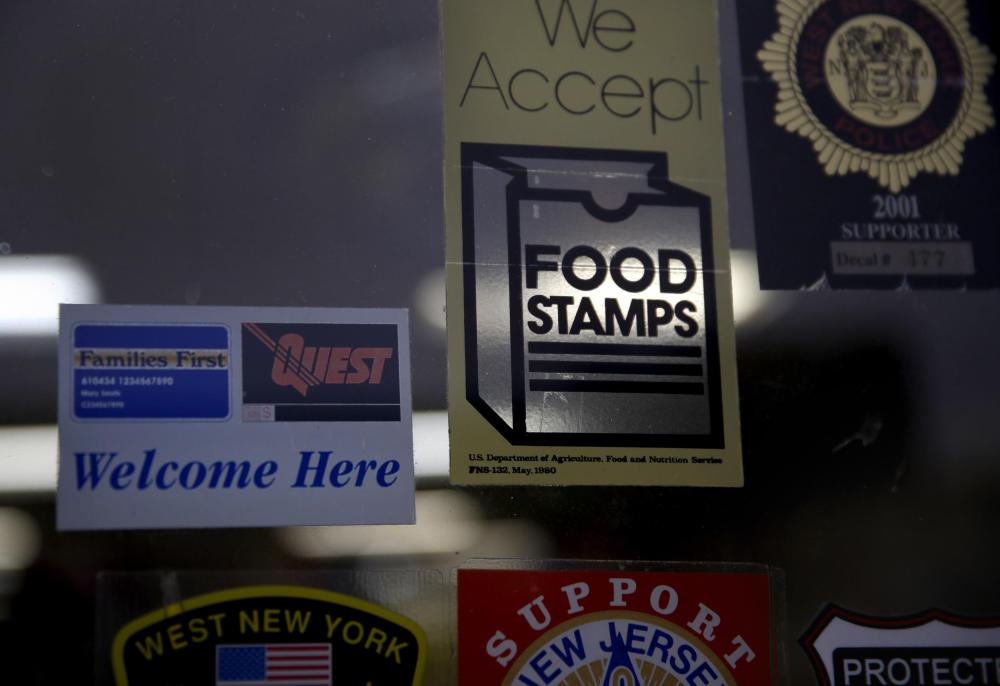
The Trump administration is moving ahead with its plan to enact strict work requirements on people who use food stamps despite the coronavirus pandemic — a move that could result in hundreds of thousands of people losing their eligibility for the program. People could soon be forced to work public-facing jobs when they should stay home or else risk losing access to the assistance they get to buy food.
The Trump administration could take steps to postpone the looming Supplemental Nutrition Assistance Program policy shift, but as of close of business yesterday, it doesn’t want to.
What’s more, it’s not just SNAP. The Los Angeles Times reports today that Democratic and Republican administrations in recent years loosened Medicaid rules in response to crises — 9/11, Hurricane Katrina, H1N1 — but the current administration is choosing a more regressive path. Despite mounting pleas from California and other states, the Trump administration isn’t allowing states to use Medicaid more freely to respond to the coronavirus crisis by expanding medical services…. [M]onths into the current global disease outbreak, the White House and senior federal health officials haven’t taken the necessary steps to give states simple pathways to fully leverage the mammoth safety net program to prevent a wider epidemic. That’s making it harder for states to quickly sign up poor patients for coverage so they can get necessary testing or treatment if they are exposed to coronavirus. The article quoted Sara Rosenbaum, a Medicaid expert at George Washington University, who said, “Medicaid could be the nation’s biggest public health responder, but it’s such an object of ire in this administration. Their ideology is clouding their response to a crisis.” Books will be written about the Trump administration’s missteps during the coronavirus crisis. Those books will not be short.
Steve Benen is a producer for "The Rachel Maddow Show," the editor of MaddowBlog and an MS NOW political contributor. He's also the bestselling author of "Ministry of Truth: Democracy, Reality, and the Republicans' War on the Recent Past."
Latest Post
Recommended


