









By 2030, women will control two-thirds of America’s wealth. Coincidentally, however, women are also more likely to leave money planning to their significant others, which can leave them behind financially. That’s why it’s especially important to have a plan to spend, save and invest those dollars now.
That can be easier said than done. After all, personal finance can be fraught with emotions, especially when you’re torn on how to best use your money.
That was one takeaway at the Forbes Under 30 Summit in Detroit on Sunday during a panel on financial wellness.
What some personal finance gurus and books tend to miss is that one-size-fits-all approaches can alienate many, especially young people and entrepreneurs, said Daniela Pierre-Bravo, Know Your Value’s millennial contributor and co-author of “Earn It!: Know Your Value and Grow Your Career in Your 20s and Beyond.”
During the panel, Pierre-Bravo told her story of arriving in the United States from Chile as an undocumented immigrant. She had to finance her own way through college without loans or scholarships. She noted many people can feel guilt or shame when they make personal choices to support family or send money to help people in their home countries rather than put money aside for things like an emergency fund.
“I had nothing,” said Pierre-Bravo, who is now a booking producer for MSNBC’s “Morning Joe.” “For anybody out there who doesn’t feel like saving 10 or 20 percent is manageable, try to do the best you can to do it but don’t feel guilt or shame for not being able to do a cookie-cutter way of financial wellness or personal finance. Really own your personal narrative. That’s one of the things that really helped me when I started out.”
Pierre-Bravo said she chose to use some of the money she earned from writing “Earn It!” with “Morning Joe” co-host Mika Brzezinski to help her grandmother in Chile pay for a much-needed operation. That very personal decision to help her ailing family member felt more important than investing that money in her own bank account.
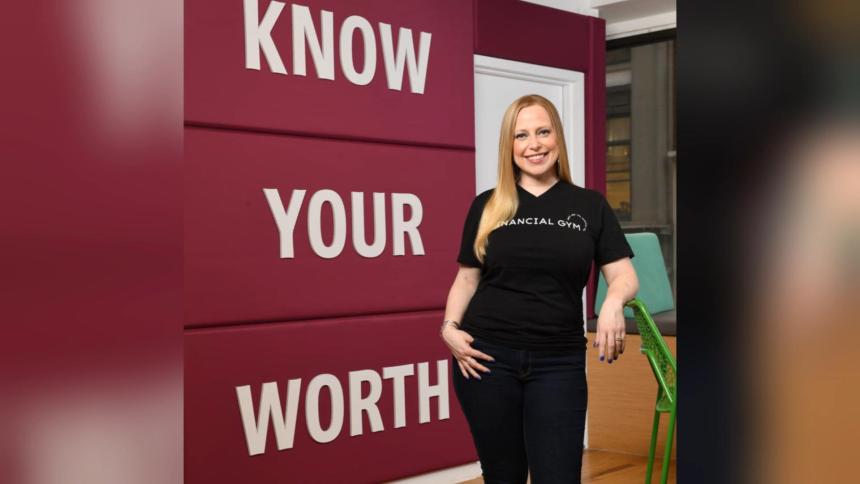
What is challenging for women or minorities is the hard choices caregivers have to make on a daily basis when it comes to their personal finances, said Pierre-Bravo.
“You don’t think twice about it. You just do it,” especially in minority communities, she said. “There are a lot of built-up emotions and pressure that happen when you are a caregiver … One way to find balance among your financial priorities is to talk about it. Knowledge is power, and more you talk about it, the more you can become comfortable with it and come up with creative solutions.” Panelist Paula Cunningham, a former bank executive and State Director for AARP in Michigan, backed up Pierre Bravo’s remarks, adding that success can be defined as what you choose to share with others, especially when it comes to personal finances. Nicole Lapin, podcaster and personal-finance author, also told audience members to remember that entrepreneurs need to “put their oxygen masks on first,” meaning they should invest in things like long-term savings, life insurance and disability insurance so they have the resources to maintain their work as everyday emergencies occur. “Personal finance is like a foreign language at first,” Lapin said. “It’s not easy … The only difference between distress and misery is asking for help.”
Karen Dybis Recommended


