








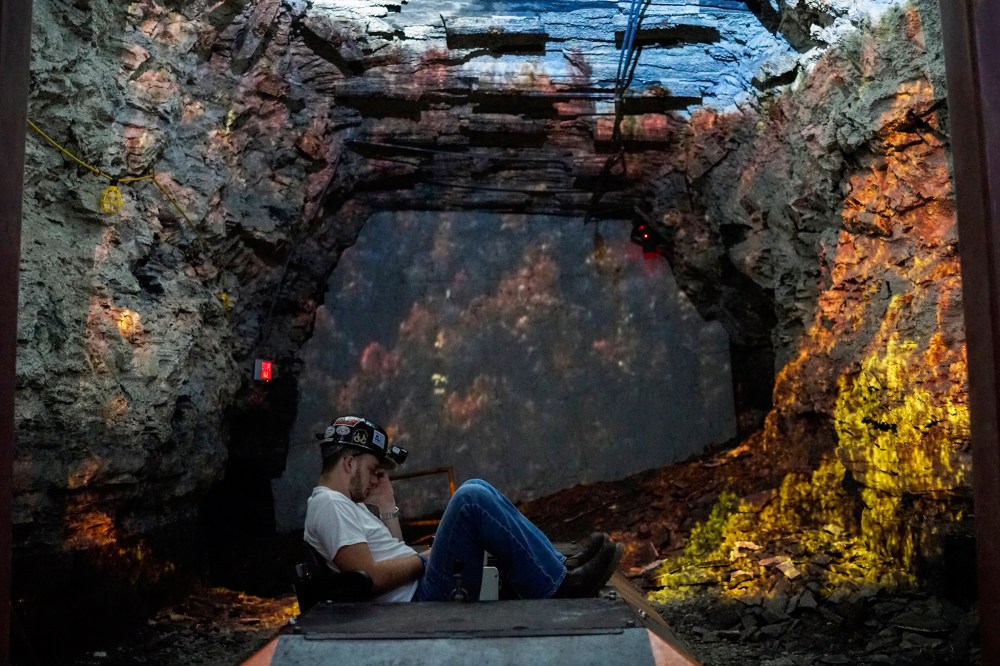
National reporter Suzy Khimm’s latest report explores how sequestration has dealt a harsh blow to one small Kentucky town. On Friday, Khimm joined the MSNBC Cyclists Group and took your questions about the impact of austerity and the economy:
Egberto Willies: Don’t you believe if instead of simply having politicians give talking points, that journalists should immediately refute misinformation with fact based and reality based information as found in this article?
Suzy Khimm: I know a lot of people out there feel the way that you do. Part of the problem is when politicians do talk about these issues and real policy decisions they have to make, they couch them in jargon that no one outside the Beltway really understands (e.g. “non-defense discretionary cuts”).
Journalists do have a responsibility for translating this Beltway jargon into plain English and holding politicians accountable for how their actions affect ordinary Americans, not just the horserace/power play that’s the bread and butter of Washington political coverage.
HelloDock: They vote for the Republican/Tea Party that cares nothing about them and refuse to legislate to help their cause.
Khimm: There are a lot of people at fault here, and it doesn’t always fall along party lines. Republicans generally support spending cuts like this more than Democrats, who want to reverse sequestration. Hal Rogers has broken with his party on this issue—but he’s also voted in favor of austerity measures like cutting food stamps, even though his district is the 6th most reliant on SNAP in the country.
That said, Democrats have put regulations in place that have hastened the demise of coal in a single-industry town. And clean energy jobs aren’t coming to replace them, at least in Eastern Kentucky. The safety net isn’t supposed to be forever, but they haven’t committed to helping workers reliant on “dirty” energy transition away from it.
Tyler: Has anyone else tried to budget by blunt force with much success?
Khimm: Great question — sequestration first debuted in 1985 in a deficit reduction bill known as “Gramm-Rudman-Hollings.” Like in recent years, deficits were rising both because of Congressional action and because of an economic downturn, increasing political pressure for deficit reduction. There’s more detailed background on the origins of sequestration here.
HelloDock: I would like to know why the media is not doing a better job informing the people of what is going on in other states, such as this issue? In addition, Why is the media not talking to these individuals, at least, how do they believe the Republican/Tea Party help them economically?
Khimm: I find myself asking these kind of questions all of the time. Part of the problem is that the death of newspapers has destroyed the local and regional newspapers that are much closer to the ground — to real people, to life outside the Beltway, and how political and policy decisions affect our lives. Kentucky is lucky to have the Lexington Herald-Leader, a great regional paper, and I met a great reporter for the Harlan Daily Enterprise when I was in Kentucky. But not all areas of the country are so lucky.
I also agree there is not enough of this kind of coverage in national news outlets. It’s crazy to me sometimes when I’m on Capitol Hill and see dozens of reporters swarming around a politician who’s said something controversial, all to report exactly the same quote. Meanwhile, outside the Beltway, there are literally millions of Americans being affected by these politicians’ actions, who are getting no attention.
This is the result of coverage decisions being made every day in newsrooms across the country–and I encourage readers like you to let media outlets, editors, and reporters know what kind of stories you’d like to see more of. We should all be here to serve our readers, our viewers, and the public.
Karensv1: Isn’t this always the case, though? So many people (particularly Republicans!) made SO much noise about balancing the budget, cutting programs, etc. Yet when the rubber hits the road, everyone complains about their particular entitlement being cut. How can Republicans claim to want it both ways? And why do the poorest people think the Republican party will help them in any way? Khimm: Spending cuts are definitely different in the abstract vs. the particular! House Republicans struggled with this over the summer when they couldn’t pass their own Housing and Transportation spending bill, as I mention briefly in the story. But Democrats also committed to major deficit reduction in 2011, though they now largely hate the particular changes that have actually come of it. I think the 2014 budget negotiations will be a big test of whether Congress can actually pass a full budget and not just abstract targets to hit at some later date. Alan Bumgarner: Knowing that the lack of pork barrel spending and the death of earmarks are having such a big effect on small districts like this one, and are often cited as a potential reason behind the unprecedented congressional gridlock in 2013, is it possible that earmarks might come back? Khimm: That’s an idea that I think is gaining more traction, at least in the political commentary/blogosphere, in stories like this. This definitely used to be a big part of the way that dealmaking got done in Washington. In certain ways, it hasn’t entirely disappeared — note how well McConnell’s home state (also Kentucky!) did in the shutdown deal. But there are lots of people (particularly in the GOP, though not exclusively) who believe earmarks are too often used to dole out special favors — encouraging cronyism, handouts to big business, and the like. I think there would have to be a political sea change before earmarks came back. Kobes84: Beyond federal assistance, is there anything else that can be done to curb the declining mining industry and the communities it supports? Certainly sequestration and federal feet-dragging has been detrimental, but is anything being done (or CAN anything be done) at a more grass roots level, avoiding those like Rep. Billy Long, who seems to be blind to the vast and varied problems in his district? Khimm: There are small-business and grassroots groups that are trying to devise alternatives to coal and a broader vision of a post-coal future in Kentucky. One idea is to promote tourism to the area and take advantage of the region’s natural beauty. Wendell Berry also has some alternative ideas about supporting local job growth. But even implementing these ideas will likely require outside investment to build better roads and infrastructure so more visitors could get to eastern Kentucky. The roads through the mountains there are still pretty treacherous! Don’t miss the next msnbc Q&A Monday, November 4th at 1pmET with Chris Matthews. Make sure you join the Let’s Play Hardball group to get in on the conversation.
Colin Jones Recommended


