








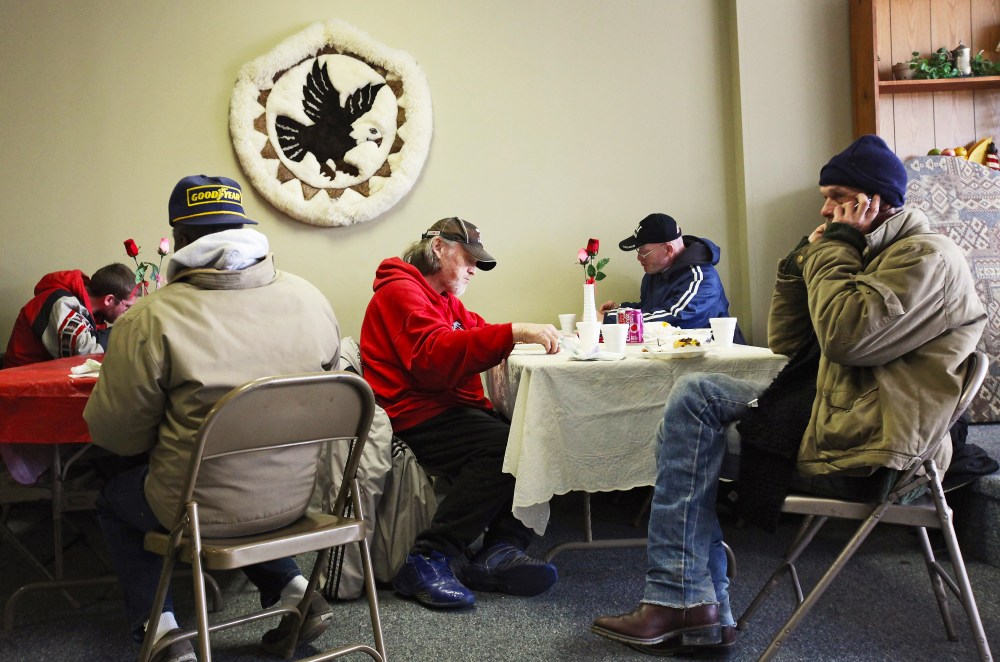
He had to circumvent his own Republican legislature to do it, but Ohio’s Republican governor, John Kasich, succeeded Monday in a year-long quest to expand his state’s Medicaid program under the Affordable Care Act. As a result, nearly 300,000 low-income Ohioans—mostly working adults living near or below the federal poverty level—will qualify for basic health coverage starting January 1.
The breakthrough came Monday afternoon, when the Ohio legislature’s seven-member “controlling board” voted to let Kasich spend the $2.5 billion the federal government has approved for his expansion plan. Ohio is the 26th jurisdiction to commit itself to expanding health care for the poor. By the Advisory Board’s latest count, 28 states and the District of Columbia are now moving toward expansion.
Ohio’s decision ends a nine-month standoff between Kasich and the right far-right flank of his party, and it provides welcome solace to a White House embarrassed by the botched debut of its new online insurance exchanges.
“Governor Kasich will join a number of other Republican governors in putting aside partisan politics, and recognizing the practical and economic benefits of supporting Medicaid expansion,” Obama aide and Ohio native Chris Jennings wrote in a White House blog post Monday night. “This is great news for the 270,000 previously uninsured residents, the state’s health care providers, and [the] Ohio economy, [which] will benefit from this expansion.”
Like other GOP governors including Arizona’s Jan Brewer, Florida’s Rick Scott and New Jersey’s Chris Christie, Kasich decided last winter that his state couldn’t afford to turn down federally funded health coverage for uninsured constituents who cost the state millions in unpaid emergency medical bills. But when Kasich included the expansion in his budget proposal last spring, Republican legislators promptly stripped it out of the bill.
Kasich didn’t back down. Unlike Rick Scott, who ditched a similar bid when Florida legislators balked, Kasich and his administration continued to work on a detailed blueprint for expansion. Research from the Health Policy Institute of Ohio and others predicted huge benefits to the state’s economy as well as its health, and public support surged. By last summer, a statewide ballot initiative was in the works, and groups from across the political spectrum—from the Ohio Poverty Law Center to the chamber of commerce, the state medical association and Catholic Diocese—were speaking out in unison.
“I believe [expanding Medicaid] is a matter of life and death,” Kasich told the Cincinnati Enquirer in July. “It’s going to happen. It’s just a matter of when.” Given enough time, the legislature or the voters might have cleared the way. But rather than wait for them, Kasich found a way around the politics. This month, when the federal government formally approved his administration’s Medicaid expansion plan, he asked the legislature’s controlling board simply to authorize use of the available funds—all $2.5 billion of them. The board members didn’t have to approve the governor’s whole scheme to expand Medicaid. They simply signed off, in a 5-to-2 vote, on the transfer of a pending federal disbursement into the state’s Medicaid account. The spurned GOP legislators aren’t amused. More than half of the Republicans in Ohio’s state House have signed a resolution to protest the governor’s end run, and the senate president is threatening legislation to curb the controlling board’s authority in the future. But the country’s seventh most populous state is now on the road to health care reform. “This is great news for the 300,000 Ohioans who will now be eligible for Medicaid,” says Gene King, director of the Ohio Poverty Law Center. “Tomorrow, we can start work on outreach and enrollment.”
Geoffrey Cowley Recommended


