








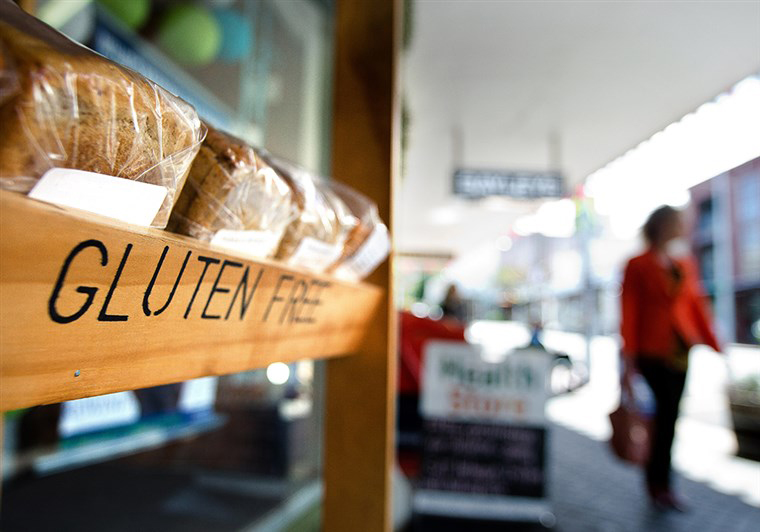
Say the word “gluten” and you’ll get such a variety of opinions about what it is and what it does that you won’t know what to think. Simply put, gluten is one of nature’s many proteins, found in grains including wheat, rye, spelt and barley. But as a nutrient, what are the health benefits?
Is gluten good or bad for you?
The answer depends on your personal health. A gluten-free diet must be consumed by people with a diagnosis of celiac disease – a serious digestive illness – because gluten causes damage to the cells of the digestive tract. But that ailment only impacts 1 in 100 people.
What about the other 99 percent? Is it better to go gluten free? Part of the population shows symptoms of “gluten sensitivity” where digestive upset occurs when consuming wheat or other products that contain gluten, resulting in symptoms like gas and bloating. Many people determine their level of gluten sensitivity by trial and error: if it bothers you, eliminate it. Others have a true “wheat allergy.” In both of these cases there is no damage to the digestive tract, but the symptoms still warrant staying away from gluten-containing products.
For everyone else, gluten-containing foods are well tolerated and digested. Part of the confusion comes from the magical properties of a gluten-free diet – anything from weight loss to boosting immunity and energy. While there are anecdotal reports of “success” and “going gluten-free changed my life,” these are personal stories. No science supports eliminating gluten from your diet for health reasons, unless it can’t be tolerated.
Where can you find gluten?
Gluten is found in wheat, barley, rye and sometimes oats. Oats are naturally gluten-free, but can be contaminated during production with gluten-containing grains. When it comes to oats, read the labels carefully. Wheat can also be labelled with these names: durum, kamut and spelt.
Keep in mind there are nutritious, gluten-free swaps for wheat that can be used for cooking, baking and in cereals: corn, buckwheat, quinoa, tapioca, rice and soy.
What’s left to eat?
A gluten-free diet can be a very healthy one – many fresh foods are totally gluten-free. In addition to grain substitutes, fruits and vegetables, beans, seeds, nuts, eggs, lean meats, poultry, fish and most dairy products are all gluten-free. But it’s important to think about overall intake of fiber, vitamins and minerals. Nutrients from whole grains that have no gluten are still important for a balanced diet. When it comes to processed and packaged foods, read the labels carefully. There is a huge amount of variability in products when it comes to wheat additives and fillers. And always talk to your doctor before your make any major changes in your daily eating. You might find added benefits from a visit with a dietitian. Madelyn Fernstrom, PhD is the NBC News Health Editor. Follow her on Twitter @drfernstrom. For more advice like this, sign up for the Know Your Value newsletter and follow Know Your Value on Facebook, Twitter and Instagram.
Madelyn Fernstrom, PhD
Madelyn Fernstrom, Ph.D., is the Diet and Nutrition editor for TODAY.
Fernstrom is a professor of psychiatry, epidemiology and surgery at the University of Pittsburgh Medical Center and a board certified nutrition specialist from the American College of Nutrition. She is the founding director of the UPMC Weight Management Center. Recommended


